Crafting a Effective Diet Plan for Menopause
- Dec 2, 2025
- 3 min read
Navigating menopause can feel like stepping into a new chapter filled with changes—some welcome, others a bit challenging. One of the most powerful tools we have during this time is the food we choose to nourish our bodies. Crafting a healthy menopause diet is not about strict rules or deprivation; it’s about embracing foods that support hormonal balance, boost energy, and promote overall well-being. I’m here to walk you through practical, gentle ways to create a diet plan that feels good and works well for this unique phase of life.
Embracing a Healthy Menopause Diet: What It Looks Like
When we talk about a healthy menopause diet, it’s really about focusing on nutrient-rich foods that help ease symptoms and support long-term health. This means prioritizing whole foods, balancing macronutrients, and including plenty of fiber, vitamins, and minerals.
Here are some key components to include:
Fruits and Vegetables: Aim for a colorful variety to get antioxidants and fiber. Think berries, leafy greens, carrots, and sweet potatoes.
Lean Proteins: Incorporate sources like chicken, fish, tofu, and legumes to help maintain muscle mass and keep you feeling full.
Healthy Fats: Avocados, nuts, seeds, and olive oil provide essential fatty acids that support brain health and hormone production.
Whole Grains: Brown rice, quinoa, oats, and whole wheat offer sustained energy and help regulate blood sugar.
Calcium and Vitamin D: These are crucial for bone health, which can be a concern during menopause. Dairy, fortified plant milks, and leafy greens are great options.
Remember, hydration is also key. Drinking plenty of water helps with digestion, skin health, and overall vitality.

How to Build Your Healthy Menopause Diet Step by Step
Creating a diet that supports menopause doesn’t have to be overwhelming. Here’s a simple approach to get started:
Assess Your Current Eating Habits: Take note of what you usually eat and identify areas where you can add more nutrient-dense foods.
Plan Balanced Meals: Aim for a mix of protein, healthy fats, and fiber-rich carbs at each meal to keep blood sugar stable and energy steady.
Incorporate Phytoestrogens: Foods like flaxseeds, soy, and chickpeas contain plant compounds that may help balance hormones naturally.
Limit Processed Foods and Added Sugars: These can worsen symptoms like hot flashes and mood swings.
Listen to Your Body: Pay attention to how different foods make you feel and adjust accordingly.
By taking these steps, you’re creating a foundation that supports your body’s changing needs with kindness and care.
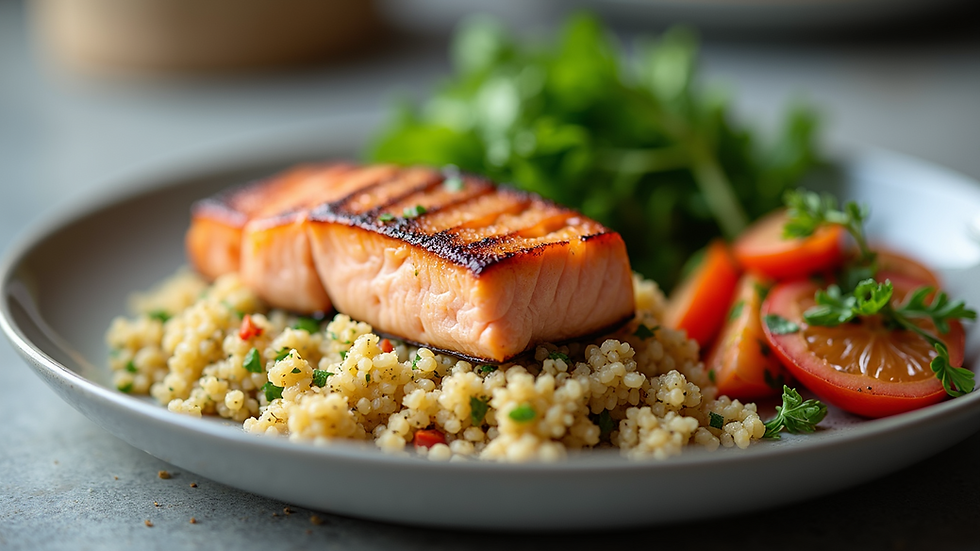
What is the Key to Avoid Menopause Weight Gain?
Weight gain during menopause is a common concern, but it’s important to approach it with compassion and understanding. The key lies in managing metabolism changes and hormonal shifts through mindful eating and lifestyle choices.
Here’s what helps:
Prioritize Protein: Protein helps preserve muscle mass, which naturally declines with age and affects metabolism.
Stay Active: Regular physical activity, including strength training and cardio, supports weight management and overall health.
Watch Portion Sizes: Eating mindfully and avoiding oversized portions can prevent unnecessary calorie intake.
Manage Stress: Chronic stress can lead to hormonal imbalances that promote weight gain, so incorporating relaxation techniques is beneficial.
Get Quality Sleep: Poor sleep affects hunger hormones and can increase cravings for unhealthy foods.
By focusing on these areas, you can create a supportive environment for your body to maintain a healthy weight without harsh dieting.
The Role of Supplements and Hydration in Your Diet
While food should be the primary source of nutrients, some supplements can complement your healthy menopause diet. Calcium and vitamin D are often recommended to support bone health. Omega-3 fatty acids, found in fish oil supplements, may help reduce inflammation and support heart health.
Before starting any supplements, it’s a good idea to consult with a healthcare provider to tailor choices to your individual needs.
Hydration is another cornerstone. Drinking water throughout the day helps with digestion, energy levels, and even skin elasticity. Herbal teas like chamomile or peppermint can be soothing and hydrating without caffeine.
Taking the Next Step with Your Menopause Diet Plan
Creating a personalized menopause diet plan can be a transformative step toward feeling vibrant and empowered. It’s about more than just food—it’s about embracing a lifestyle that honors your body’s wisdom and supports your journey.
Start small, be patient with yourself, and celebrate the positive changes you make. Remember, this is a time of growth and renewal, and nourishing yourself well is a beautiful way to honor that.
If you’re ready to dive deeper, resources like The Nourish Method Wellness offer tools and guidance designed specifically for this stage of life. Together, we can turn menopause into a time of strength, confidence, and radiant health.


Comments